GALLE FORT
Step back in time within colonial walls.
A living monument of Dutch colonial architecture blending with Sri Lankan culture.
Entrance
Free
Open
24 Hours
Today
29°C / Sunny
Vibe
Historical & Chic
Visual Journey
A glimpse into what awaits you.
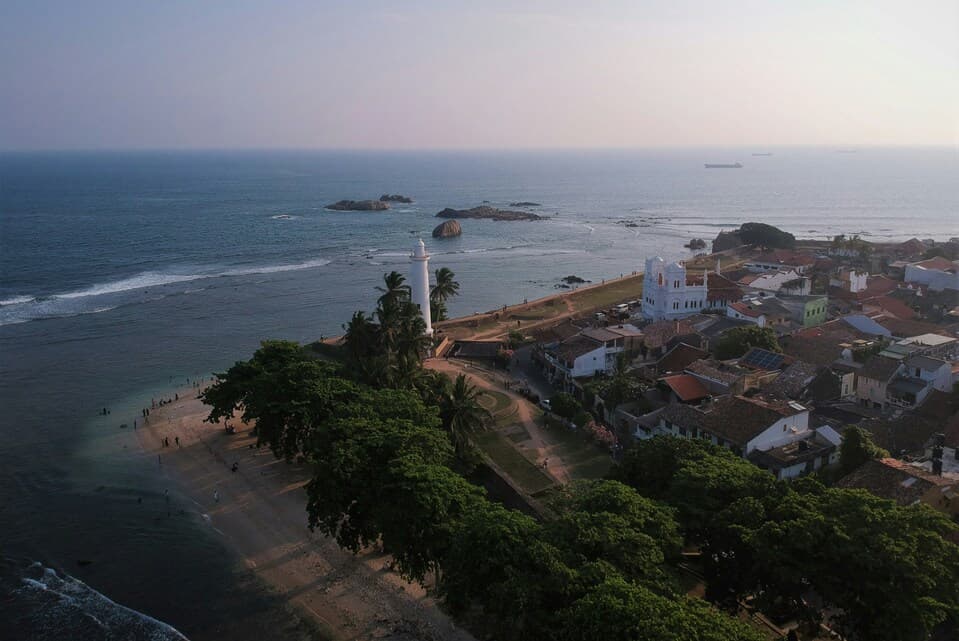
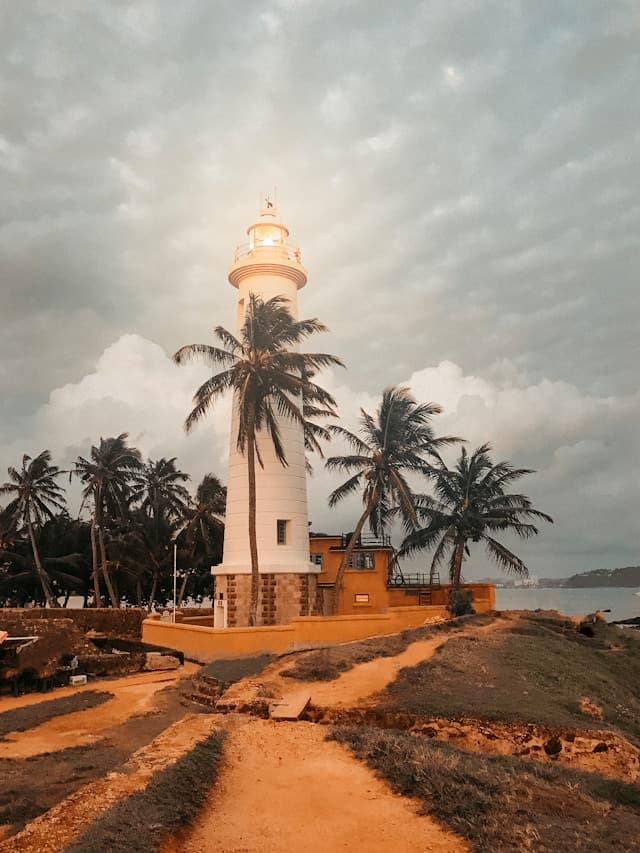
The iconic Galle Fort Lighthouse.
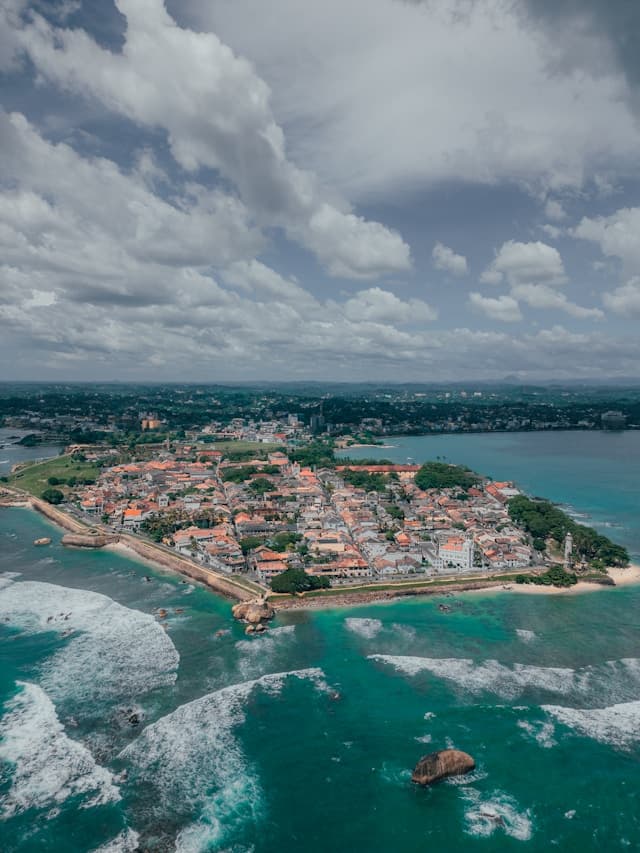
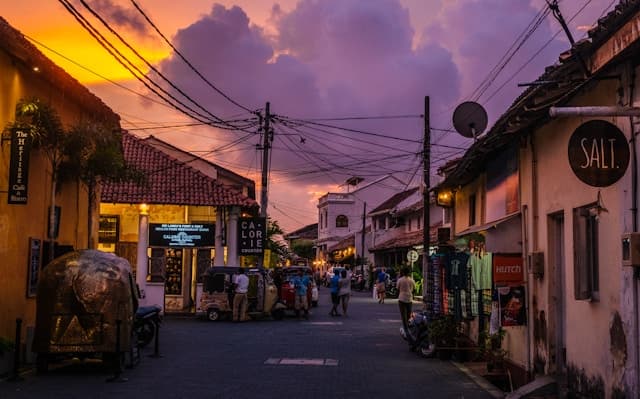
Charming colonial streets lined with boutiques.
The historic Dutch Reformed Church.
Walking along the ramparts at dusk.
The Ultimate Guide to Galle Fort
Your complete companion to experiencing this wonder.
Contents
Exploring the Fort
Galle Fort is a sprawling coastal fortress filled with history, charming cafes, and breathtaking ocean views. A typical visit involves wandering its narrow streets and walking along the ramparts.
The Journey Up
1. Enter the Main Gate
Welcome
Walk through the massive stone gate that marks the entrance. Notice the British and Dutch coats of arms carved into the walls.
2. Wander the Cobblestone Streets
1-2 Hours
Lose yourself in the grid-like streets lined with restored colonial villas, trendy boutiques, and art galleries.
3. Visit the Lighthouse & Churches
45 Mins
Stop by the picturesque Galle Lighthouse and pop into the historic Dutch Reformed Church and All Saints Anglican Church.
4. Sunset on the Ramparts
1 Hour
Join locals and travelers alike on the ancient stone walls to watch the sun dip below the Indian Ocean.
Beyond the Walls
Galle Market
Step just outside the fort to experience the bustling local produce and fish markets.
Maritime Museum
Learn about the ancient maritime history and shipwrecks off the southern coast.
Introduction
A Melting Pot of History
The Architectural Vibe
Top Sights and Attractions
The Ramparts and Bastions
Galle Lighthouse
Historical Churches
Museums
The Best Time to Visit
Seasonal Guide
Time of Day
Shopping and Dining
Boutique Shopping
Café Culture
Fine Dining
Practical Information & Tips
Getting Around
Entrance Fees
Staying Hydrated
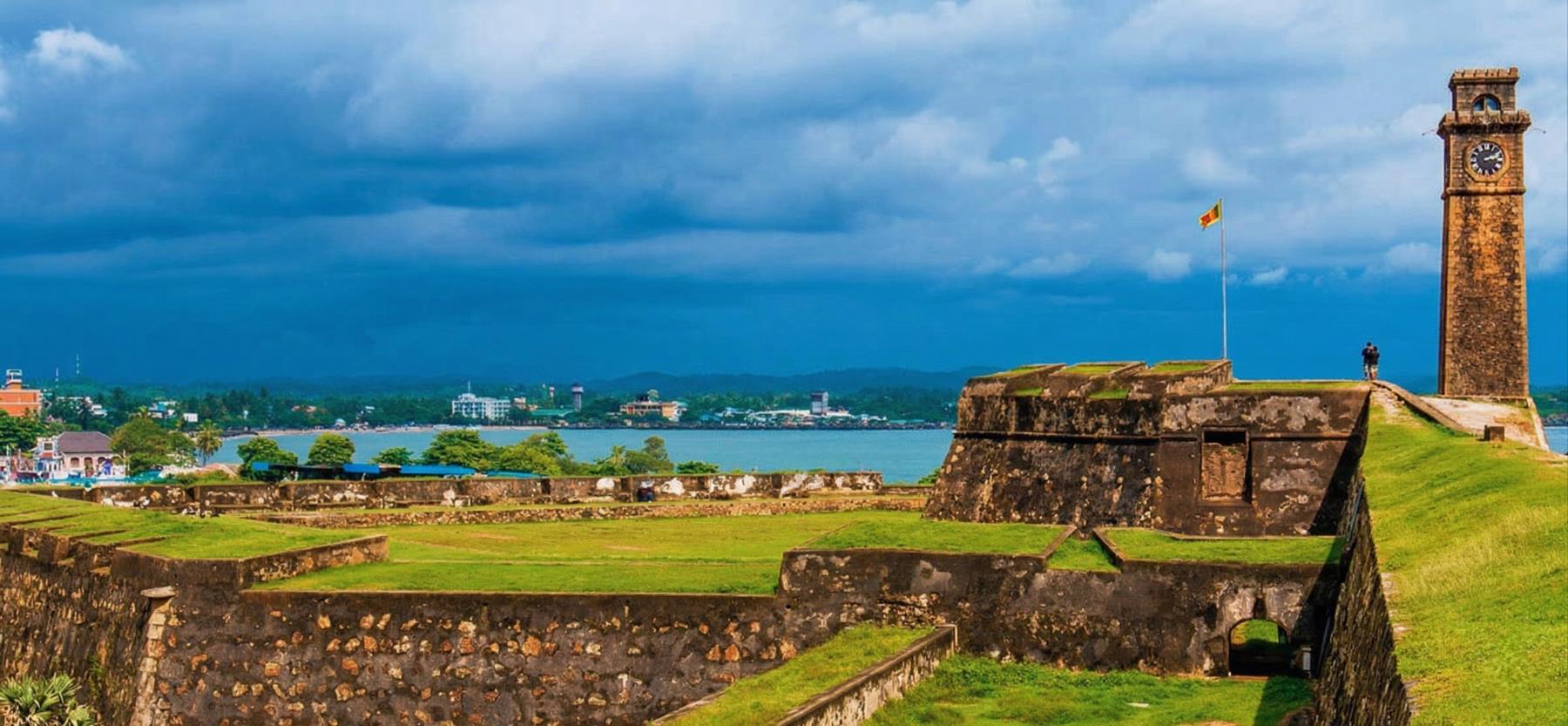
Centuries of History
Built by the Portuguese, heavily fortified by the Dutch, and preserved by the British.
The Portuguese Origins
The fort was initially built in 1588 by the Portuguese who largely used earth and palisades, recognizing Galle's importance as a strategic seaport.
The Dutch Expansion
After capturing the fort in 1640, the Dutch East India Company massively expanded the fortifications, building the solid stone walls and grid layout you see today.
Their robust engineering is the reason the fort withstood the devastating 2004 Indian Ocean tsunami with minimal damage.
""A fortress that stood the test of time, empires, and nature itself."
Masterful Fortifications
The architecture of Galle Fort is a perfect blend of European architectural styles and South Asian traditions.
Its massive coral and granite walls were built using slave and local labor, forming a defensive barrier that has lasted over 350 years.
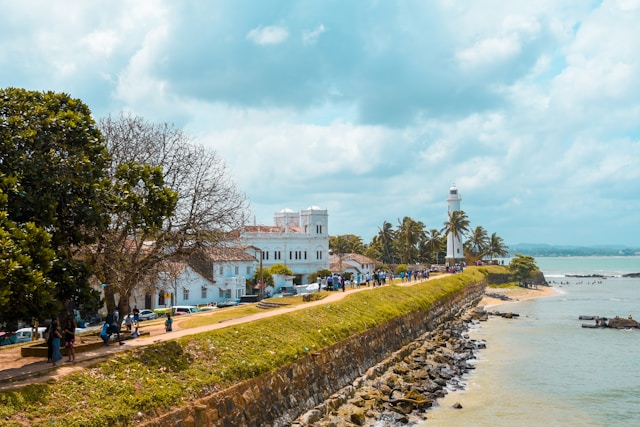
The Ramparts
Thick stone walls encircle the peninsula, complete with bastions strategically placed to mount cannons and spot incoming enemy fleets.
Sewer System
The Dutch engineered an advanced underground sewer system that was flushed twice daily by the rising tides of the ocean, an innovation incredibly advanced for its time.
Culture & Vibe
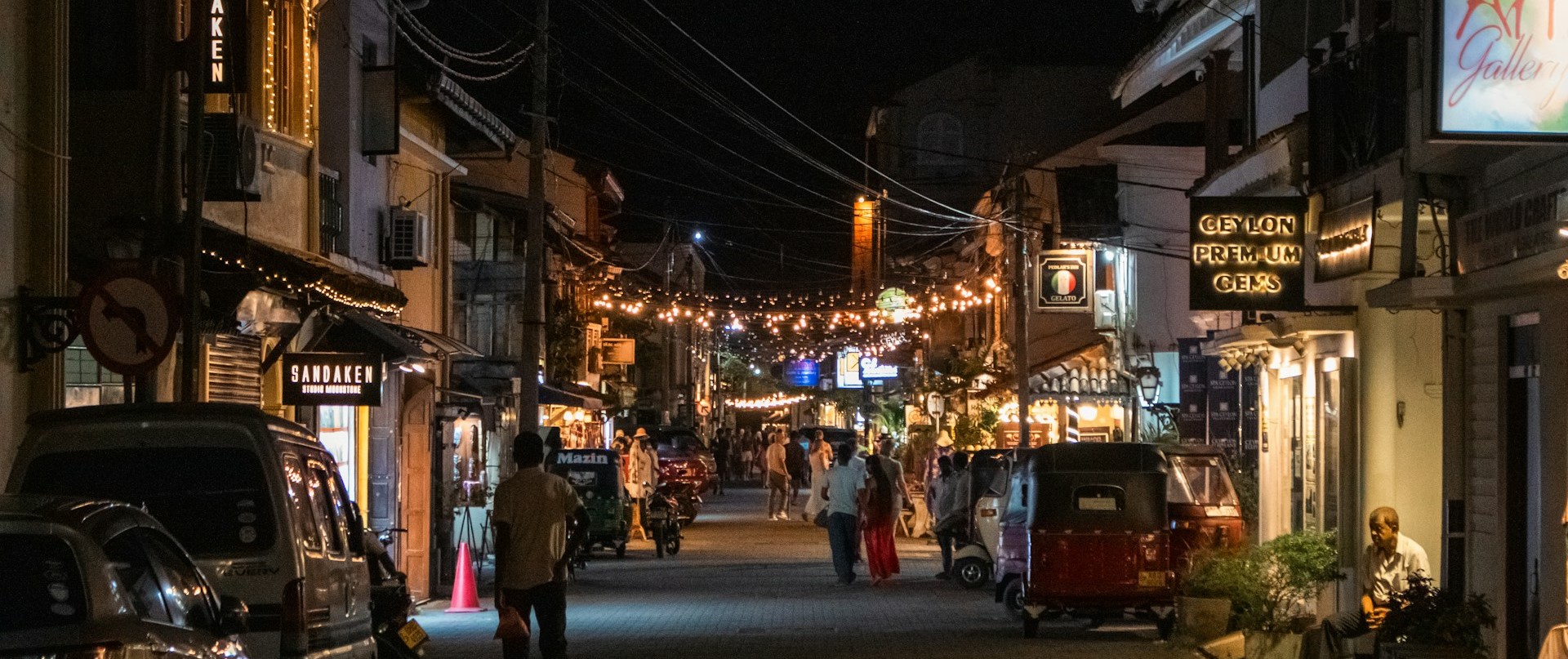
A Living Monument
Boutiques, Cafes, and Art
Today, Galle Fort is a vibrant, chic neighborhood. Colonial villas have been lovingly restored into boutique hotels, artisanal shops, and cozy cafes.
The streets are a melting pot of cultures, where you can find traditional Sri Lankan lace makers alongside high-end jewelry stores and contemporary art galleries.
A Stroll Through Time
Walking through Galle Fort feels like stepping into a different era, yet it pulses with modern, cosmopolitan energy.
"Where the old world seamlessly meets the new, surrounded by the sea."
Key Landmarks
Iconic Landmark
1939
Original / Rebuilt
130+
Total Coverage
Galle Fort
Insider TipWalk the ramparts at sunset for the best views and a bustling local atmosphere.
Essentials
Everything you need for the climb.
- •Sun Hat
- •Sunglasses
- •Comfortable Walking Shoes
- •Camera
- •Light Cotton Clothing
Available in cafes, restaurants, and museums.
Numerous cafes and restaurants throughout the fort.
Casual summer wear. Cover shoulders and knees if entering churches.
Plenty of options ranging from street food to fine dining.
Suitability Check
- Fit AdultsIdeal
- Kids (6+)Ideal
- SeniorsIdeal
- WheelchairGood
Nearby Spots
Combine with these beaches
Galle Fort
History, Shopping, Dining
Unawatuna Beach
Swimming, Beach Bars, Relaxing